Across the nation, state-by-state, congressional district lines aren’t the only ones being drawn in capitals from Colombus to Sacramento. In 2026, policy showdowns are inevitable during this high-churn state election cycle, with 36 gubernatorial races and 46 states holding legislative elections. Those elections will shape the policy battles across the nation as office holders make political calculations that will determine what bills are front of the line in legislatures across the country .
It is in these state capitols that governors and lawmakers make decisions that have a much more outsized impact on Americans’ daily lives than the debates playing out in Washington—on issues like education, taxes, energy, and more.
Politically, the battle for legislative control or veto-proof majorities hangs in the balance for several states, such as Arizona, Georgia, Michigan, Wisconsin, Pennsylvania, North Carolina, and others.
Ballotpedia, an SPN partner, has provided a breakdown of the current partisan makeup of state senate and house chambers, showing the political landscape that 2026’s policy fights will take place on:
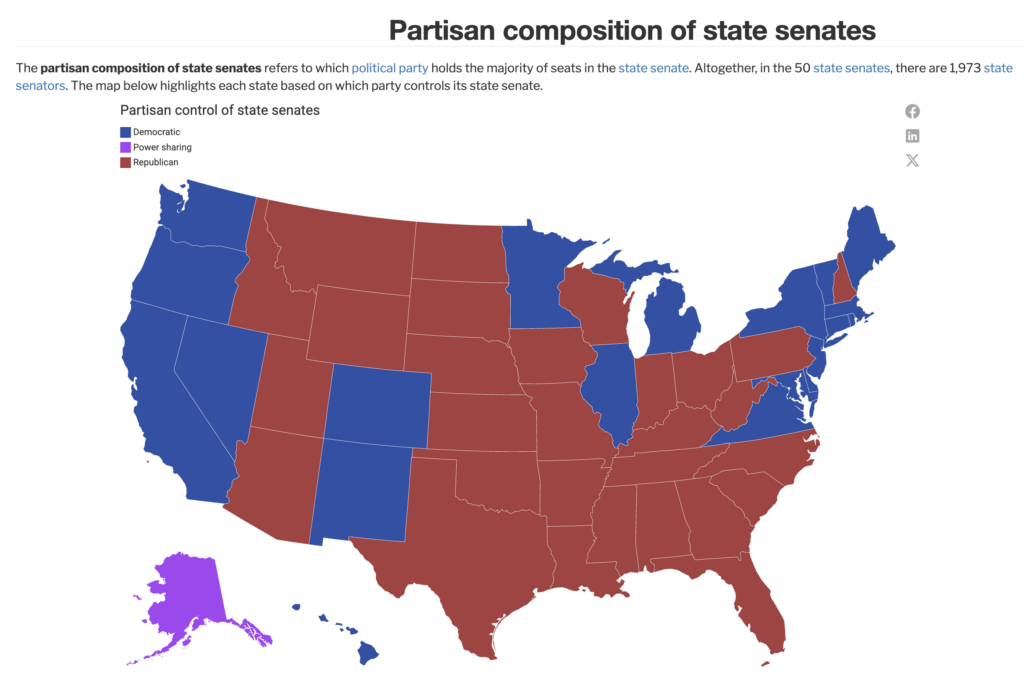

These political realities will shape the conversation around which policies have viability during the legislative sessions. SPN’s affiliates and partners have policy portfolios that cover a wide range of issues, and this list is not meant to be comprehensive, but it is meant to serve as a helpful rundown of policy battles poised to heat up in the coming months.
In addition, there are looming state budget problems that lawmakers must grapple with on the tails of the Medicaid and SNAP reforms Congress passed in the One Big Beautiful Bill Act. With every passing month, states that fail to get their Medicaid and SNAP programs in order put their taxpayers at risk for footing more of the bill for these costly—and sometimes error and fraud-ridden—programs.
So, with this political landscape in mind, what should we be watching for?
Here’s our list of the top six policy battle arenas that will shape the debate in 2026:
1. Budget & Tax
Budget fights get louder in election years — especially with federally subsidized Medicaid and SNAP programs reformed under the One Big Beautiful Bill and the 2021 American Rescue Plan funds sunsetting.
- Candidates in competitive states will likely campaign on targeted relief (property tax, families, seniors) because it polls better than abstract rate cuts.
- In deficit-prone states, the messaging surrounding the fiscal gaps will become weaponized: “reckless cuts” vs. “bloated government.”
- Defending tax reforms and school choice wins will be critically important.
Election effect: Lawmakers up for re-election in swing districts might be tempted to agree to larger spending packages designed to deliver visible, election-year wins. This could be messaging challenge for fiscal restraint, but it is also an opportunity to speak to the importance of correcting error rates in programs like SNAP, to reduce state taxpayer burdens.
2. Education
Education remains a top campaign driver because it affects suburban swing voters and base voters at the same time.
- School choice vs. accountability becomes a “referendum issue” in open-seat governor states: candidates either defend universal Education Savings Accounts (ESAs) or run on a “invest in [public] education” motto.
- AI-in-schools and student tech rules are newly potent because they combine parent anxiety + workforce readiness narratives.
- Curriculum transparency will remain a central issue, as parents—still smarting from Covid lockdowns—continue the battle over what children are learning, particularly, in debates over science and history.
Election effect: Expect sharper contrasts and more omnibus bills in states where the governorship or a chamber is up for grabs.
3. Energy
Energy collides with elections, in part because increased energy demand due to consumer needs and the rise of AI/data center usage hits electricity bills, land use, and reliability — all voter-felt.
- The national debates about energy and the “AI arms race” with China inevitably collide with state-level conversations around grid reliability, affordability, and availability.
- Ratepayers don’t want to see their tax dollars funding boondoggles. They want energy solutions that are affordable and reliable and keep their state’s industries competitive.
Election effect: Candidates and incumbents in high-growth states will make this issue an area of focus, and voters in high-energy production (or deficit) states will make it an election litmus test for their vote.
4. Elections & Redistricting
Elections policy becomes extra combustible in 2026 because many states will be writing the rules of the road while simultaneously running high-stakes races under those rules.
- Citizenship verification and voter ID have become fundamental to the debates surrounding trust in elections. These fights are already spilling into 2026 ballot measure campaigns (e.g., constitutional bans on noncitizen voting and voter-ID initiatives)
- AI/deepfake election rules + campaign tech regulation. Roughly half the states now regulate political deepfakes, and 2026 will likely bring expansions and enforcement debates (disclosure rules, blackout windows before Election Day, penalties, and platform duties).
- Voting structure process wars will also be at the center of election policy debates. Elements like redistricting, voter roll maintenance, and mail-in voting are all politically charged and will shape the conversation and have an influence on voter confidence.
Election effect: Rules about how elections run become proxy fights for partisan advantage — especially in states where legislative control is close.
5. Regulation & Administrative State
This arena is very election-sensitive because it’s about who is in charge.
- In 2025, our Network saw success with REINS-style reforms—measures that require legislative approval of major regulations before they take effect. That momentum will likely continue in 2026, as these reforms are tailor-made for gubernatorial races. Challengers and incumbents in split-controlled states may pledge to “take back control from agencies” as a hallmark feature of their platform.
- Permitting reform is a bipartisan “do-something” plank for candidates in growth states. State lawmakers that have experienced significant natural disasters in their district will likely lean into this policy area in 2026.
Election effect: Separation-of-powers and pushing back against the administrative state bills move faster in states where candidates want to signal reform chops, and where they know their voters are very unhappy with the status quo.
6. AI & Tech
AI is fast becoming a campaign-level values issue:
- Comprehensive AI frameworks appeal to voters worried about jobs, privacy, and kids.
- There is uncertainty around federal/state control in AI policy, so some state lawmakers will push to legislate now so candidates can claim leadership even if federal rules later shift.
Election effect: Expect headline-grabbing “AI accountability” packages in states with competitive statewide races.
Public policy debates exist within the political realities and election cycles, and 2026 will be a year of opportunity and challenge. Affiliates across the country are laying the groundwork for must have policy wins for their communities.
Our 50 state Network remains steadfast in its commitment to the enduring principles of liberty, free enterprise, and federalism and will remain dedicated to championing policies that promote those principles, no matter which way the political winds blow.